HR as Strategic Infrastructure
- Home
- Human Resources
- HR as Strategic Infrastructure
Mohammed Al Amri on governance, employee experience and the human edge in an AI-enabled workplace
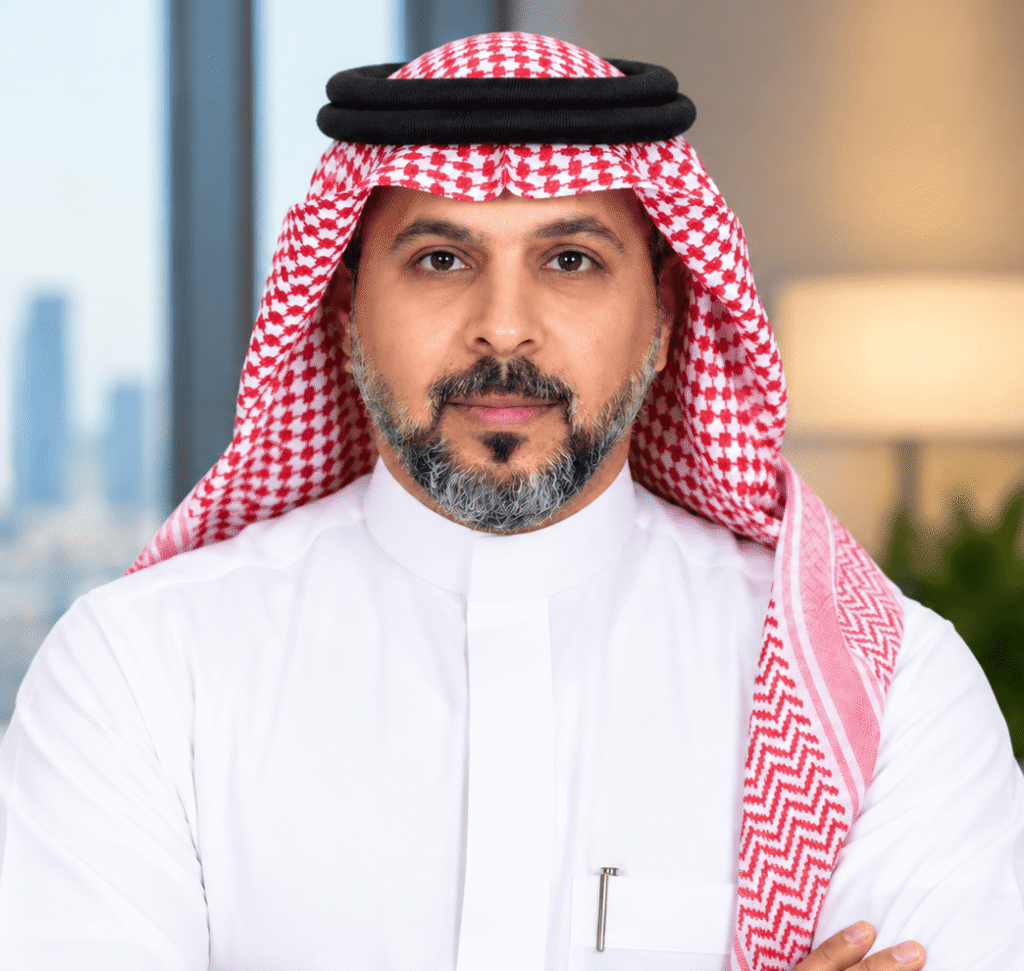
MOHAMMED AL AMRI
Chief Human Resources Officer, Red Sea International
High performance is a natural by-product of an environment where operational excellence meets a positive, inclusive culture.
In this Leadership Gazette conversation, Mohammed Al Amri explains how contemporary people leadership must anchor organisations through transformation—balancing commercial agility with sound governance, creating clarity through employee experience, and using AI to strengthen rather than replace human judgement.
1 . What does effective people leadership mean to you in today’s business environment?
In today’s fast-moving business climate, effective people leadership goes far beyond managing daily operations or providing administrative oversight. It is about acting as a strategic anchor during transformation. Having built HR functions from the ground up across complex holding structures and publicly listed companies, I have seen that modern leadership requires a balance between commercial agility and strong organisational governance. It means creating an environment where employees feel secure in their career paths, yet are stretched to meet ambitious business goals. Ultimately, it is about aligning human capital with the corporate vision—ensuring that every framework we design, from job architecture to performance metrics, empowers people to perform at their highest potential while safeguarding compliance and culture.
2. How can HR leaders balance employee expectations with evolving business priorities?
Balancing employee expectations with shifting commercial demands requires clear communication, structured transparency and a strong value proposition. When businesses undergo rapid structural shifts—such as transitioning to holding-and-subsidiary models or preparing for a public listing—employee anxiety can naturally rise. HR leaders must bridge this gap by designing equitable frameworks, including comprehensive Employee Value Proposition programmes and clear career paths, that show employees how their personal growth can scale alongside the business. By relying on structured policies and data-driven insights rather than reactive decisions, HR can set realistic expectations while keeping morale high and aligned with strategic milestones.
3. What role does employee experience play in building a high-performing organisation?
Employee experience is the foundational engine of high performance. You cannot sustainably drive productivity, innovation or cultural transformation without first cultivating a workplace where people feel valued, heard and structurally supported. Throughout my career leading large-scale engagement initiatives and culture programmes, including Great Place to Work frameworks, I have learnt that employee experience is deeply tied to clarity. When employees understand their roles through well-defined competency matrices, fair compensation structures and transparent performance evaluations, ambiguity falls and execution thrives. High performance is a natural by-product of an environment where operational excellence meets a positive, inclusive culture.
4. How can leaders build trust and engagement within a diverse and changing workforce?
Building trust in a diverse workforce requires consistency, fairness and localised empathy, combined with robust governance. Across multi-sector organisations spanning blue-collar personnel to C-suite executives, trust is earned when leadership is transparent during change and equitable in application. This means establishing clear, binding policies that protect employee rights while embracing regional requirements, such as Saudisation and labour compliance, not simply as legal checkboxes but as commitments to national talent development. When employees see that governance protects them and that leadership genuinely invests in their progression, engagement naturally follows.
5. How do you see AI and emerging technologies transforming the role of HR leaders?
Artificial intelligence and automation are shifting HR from reactive administration to predictive, strategic decision-making. Automated workforce-planning tools, advanced people analytics and integrated ERP systems allow leaders to move away from guesswork and use real-time data for talent acquisition and performance tracking. However, the true transformation lies in how HR leaders apply this technology. While AI handles operational efficiencies and data processing, the human element becomes even more critical—particularly in change management, executive coaching and the empathetic leadership that technology cannot replicate.
Stay Ahead
Get exclusive interviews & award updates in your inbox

A global business magazine bringing you exclusive interviews, in-depth features, and stories on the leaders shaping industries worldwide.
Quick Links
© 2026 The Leadership Gazette