
Strategy Creates Value Only When the Organisation Can Execute It
- Home
- Human Resources
- Strategy Creates Value Only When the Organisation Can Execute It
Dr. Mohammed Abdel Wahab Elmorsy on M&A, enterprise transformation, AI and disciplined value creation
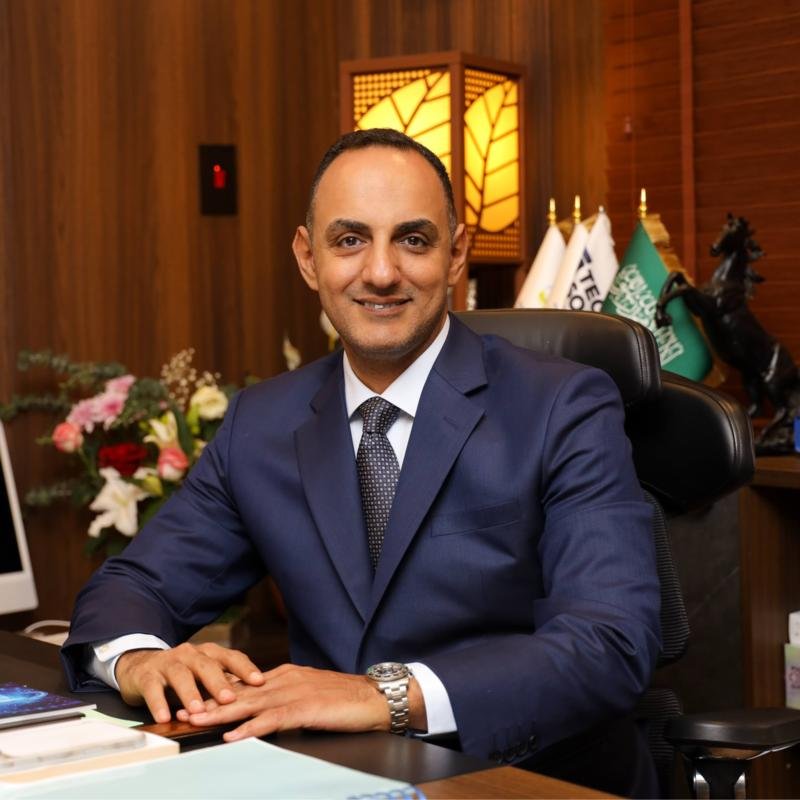
DR. MOHAMMED ABDEL WAHAB ELMORSY
Group Chief Financial Officer, United Pharmaceuticals Company
I evaluate the numbers, but I also examine the institution behind them.
In this Finance Leadership conversation, Dr. Mohammed Abdel Wahab Elmorsy explains how finance, technology, M&A and enterprise transformation shape better business leadership. He discusses risk- adjusted acquisition decisions, measuring transformation before financial results become visible, using AI to improve enterprise judgement and building companies capable of sustaining value through changing markets and periods of pressure.
1. You have built your career across finance, technology, M&A and enterprise transformation. How have these different areas shaped your approach to business leadership?
They taught me that no major business decision is purely financial, technological or operational. Every decision affects cash flow, people, risk, execution and long-term enterprise value. Finance gave me discipline in capital allocation and risk. Technology showed me that reliable data and scalable systems are essential to execution. M&A taught me to distinguish between the value presented in a transaction and the value that can realistically be captured after closing. Enterprise transformation connected these disciplines and reinforced an important principle: strategy creates value only when the organisation has the capabilities, governance and accountability to execute it. That is why I approach leadership as both a CFO and an operator. I evaluate the numbers, but I also examine the institution behind them.
2. What are the most important factors you evaluate before deciding whether an M&A opportunity is strategically worthwhile?
I begin with strategic fit, not valuation. A fairly priced asset can still be the wrong acquisition. I assess whether the transaction strengthens the company’s market position, capabilities, geographic reach or operating model. I then examine earnings quality, cash conversion, working-capital requirements, capital expenditure, liabilities and the sustainability of the target’s competitive position. The next question is whether the expected synergies are operationally achievable. Synergies should have clear owners, timelines, investment requirements and measurable financial outcomes. I also test the downside case: what happens to liquidity, leverage, covenants and shareholder value if revenue growth or integration benefits are delayed? A transaction becomes strategically worthwhile only when its risk-adjusted return exceeds the cost of capital and the combined organisation has the capacity to integrate it without weakening the core business.
3. Enterprise transformation often requires significant investment before results become visible. How do you measure whether a transformation initiative is actually working?
A transformation should be measured through a combination of leading indicators and financial outcomes. Financial results such as EBITDA improvement, cash generation, working-capital efficiency and return on invested capital are essential, but they often appear late. Management therefore needs earlier evidence that operating behaviour is changing. I look at process cycle times, forecast accuracy, data quality, system adoption, decision speed, control effectiveness and accountability for benefits. Every initiative should have a baseline, a business case, a benefit owner and a clear timetable for value realisation.Transformation is not working merely because a new system has been implemented or a milestone has been completed. It is working when the organisation makes better decisions, executes faster, reduces risk and produces measurable economic value.
4. Having worked at the intersection of finance and technology, where do you see the greatest opportunity for AI and automation across finance and enterprise operations?
The greatest opportunity is not simply automating existing tasks. It is improving the quality and speed of enterprise decisions. In finance, AI can strengthen forecasting, cash-flow visibility, working-capital management, anomaly detection, scenario modelling and capital-allocation decisions. Across operations, it can support demand forecasting, inventory optimisation, procurement, pricing and resource planning. However, automation without process redesign can make an inefficient process run faster without making it better. Companies need clean data, clear ownership, internal controls, human oversight and responsible AI governance before scaling these solutions. The objective should not be to remove human judgement. It should be to give management earlier insight, stronger decision support and more time to focus on the issues that require genuine leadership judgement.
5. What separates a financially strong company from one that is genuinely built for long-term value creation?
A financially strong company may have healthy profits and liquidity today. A company built for long-term value creation can sustain performance through changing markets, leadership transitions and periods of pressure. The difference lies in the quality of earnings, cash conversion, capital discipline, governance, organisational capability and the ability to adapt without losing strategic focus. Long-term value also requires management to balance the interests of shareholders with the stability of the institution. This includes investing in people and technology, maintaining financial flexibility, protecting the core business and rejecting growth that creates revenue without adequate returns. The strongest companies are not those that avoid difficult periods. They are those designed to absorb pressure, make disciplined decisions and continue creating value without depending on one individual or one favourable market cycle.
6. What is one lesson from your M&A experience that every senior finance professional should understand?
The most important lesson is that an acquisition does not end at closing. In many respects, that is where the real work begins. A transaction may have a compelling valuation and a strong strategic rationale, but value is ultimately created or destroyed during post-acquisition integration. Integrating people, systems, governance, culture and operating processes is often more difficult than negotiating the deal itself. Expected synergies must be converted into specific initiatives with clear owners, timelines, investment requirements and measurable financial outcomes. Management must also protect business continuity and retain critical talent while making the difficult decisions required to integrate the two organisations.
Senior finance professionals should therefore treat post-acquisition integration as part of the investment decision from the beginning. A company should never acquire a business unless it understands not only why it wants to own it, but also how it will operate, integrate and create value from it after closing.
7. If you could share one piece of advice with the next generation of finance and business leaders, what would it be?
Be patient, but never passive. Work consistently, continue learning and do not try to harvest results before their time. Sustainable careers and credible leadership are built through accumulated judgement, difficult experiences and the discipline to keep developing when progress is not immediately visible. Ambition matters, but impatience can lead people to pursue titles before building capability, or recognition before creating real value. Focus on becoming ready for the responsibility you seek—not merely obtaining the position. And enjoy the journey. Leadership is not only about reaching the next milestone; it is also about learning from the people, decisions and challenges that shape who you become along the way.
Stay Ahead
Get exclusive interviews & award updates in your inbox

A global business magazine bringing you exclusive interviews, in-depth features, and stories on the leaders shaping industries worldwide.
Quick Links
© 2026 The Leadership Gazette