
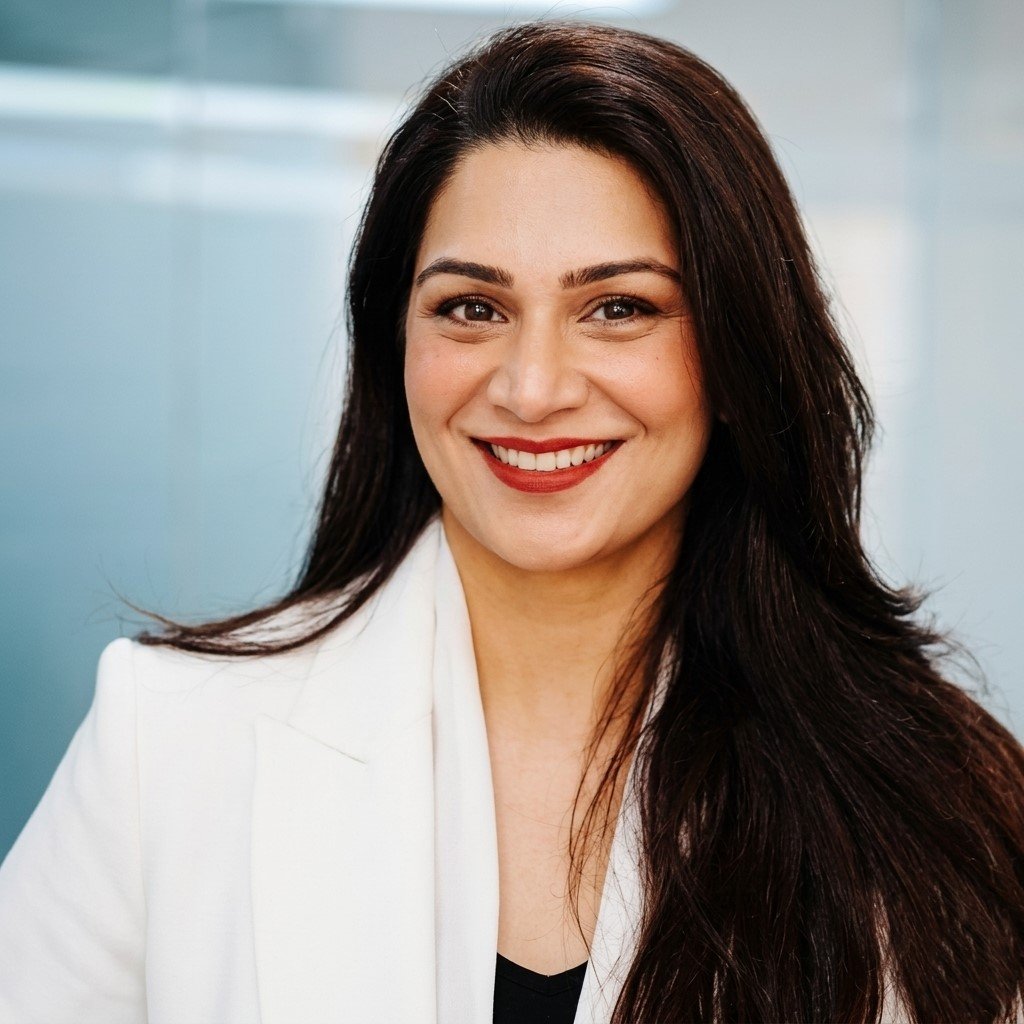
Huma Ejaz
Vice President – Advisory & Asset Management, Sahm Capital
The Group CFO of Albawardi Group Holding explains how finance leaders should test investment opportunities, guard against over-optimism in acquisitions and prepare businesses for the demands of a public listing.
Investment decisions are rarely determined by a single ratio. For Mohamed Aboubakr, Group CFO of Albawardi Group Holding, the strongest opportunities are those that combine market relevance, strategic and cultural alignment, credible returns, liquidity discipline and an executable operating plan. In this interview, he discusses the finance test for investments, the danger of optimism in mergers and acquisitions, the strategic value of defensive deals and the financial foundations required before an IPO.
1 . How has your approach to leadership evolved, and which experiences have shaped it most?
The biggest turning point in my career was the day I left home and moved alone to another country. I had no family network around me, no established reputation and no one who knew what I was capable of. Everything I had to build, I had to build from the beginning.
That experience changed how I understand leadership. Early on, I thought it was about being the most technically capable person in the room. Moving alone taught me that credibility is earned through consistency, adaptability and how you treat people when no one is watching. I had to learn a new market, a new culture and new ways of working. I learned quickly that listening comes before leading.
Later, working across Saudi Arabia and Pakistan, and studying national and maritime security, reinforced the same lesson from a different angle: no model transfers perfectly, and good leaders adapt to local realities.
Today, my approach is simple: be clear about purpose, be rigorous about evidence and invest in people. I know how much it means when someone believes in you before you have proven yourself.
2. As a woman leader in financial services, what are the most valuable lessons you have learned?
The first lesson is that expertise is your strongest voice. In a field like finance, where women are still underrepresented at senior levels, deep knowledge earns attention and respect. I invested heavily in learning, from asset management and governance to research and policy, so that my views would stand on substance.
The second is that comfort and growth rarely sit together. Some of my best opportunities came from taking on an unfamiliar assignment or a more challenging market, even when I did not feel fully ready.
The third is to build relationships generously. Mentors, colleagues and partners opened doors for me, and I try to do the same for others.
Finally, do not wait for permission. Many opportunities came because I raised my hand or proposed an idea before it felt perfectly safe to do so.
3. How do you balance business growth, strategic decisions and effective risk management?
I do not see growth and risk as opposing forces. Sustainable growth only happens when risk is understood. In asset management and advisory, our credibility depends on protecting client interests while pursuing opportunity.
In practice, I start with the outcome for the client or investor and work backwards. I test decisions against different scenarios, including unlikely but serious shocks—a habit my security studies strengthened.
I involve governance and risk teams early, so they are partners rather than a final checkpoint. I also separate decisions that are easy to reverse from those that are not. We can move quickly on the first kind; the second deserves more debate.
The goal is not to avoid risk, which is impossible in markets, but to take the right risks knowingly and with safeguards.
4. What role does governance play in building organisations that can sustain their success?
Governance is the foundation of trust, and trust is what financial services is built on. Clients entrust us with their savings because they believe we will act in their interests, follow the rules and be honest when things go wrong.
Good governance clarifies who is accountable, manages conflicts of interest and brings discipline to risk-taking. It also allows an organisation to outlast any single leader, because good decisions come from a sound process rather than one personality.
I see it as a competitive advantage rather than a compliance burden. At the market level, strong governance attracts capital and builds investor confidence. That is why I view well-run capital markets as national infrastructure. It is central to what Saudi Arabia is building under Vision 2030.
5. What advice would you give women who want to build impactful careers and take on leadership roles?
Build real expertise first, because it is your strongest foundation. Go deep in your field and keep learning, even when you are already senior.
Look beyond your own function. Understand how your work connects to the economy, technology, regulation and society. That wider view is what turns a good professional into a leader.
Find mentors and sponsors, and become one as soon as you can. Share your ideas through teaching, writing and speaking, because visibility opens doors. Be willing to take the step that scares you; growth rarely happens in comfortable roles.
Above all, stay anchored in purpose. Titles matter less than the value you create for people, institutions and your country. If you focus on that, leadership tends to follow.
Stay Ahead
Get exclusive interviews & award updates in your inbox

A global business magazine bringing you exclusive interviews, in-depth features, and stories on the leaders shaping industries worldwide.
Quick Links
© 2026 The Leadership Gazette