Melitsa Mizrahi on the Future of HR and Organizational Performance
- Home
- Human Resources
- Melitsa Mizrahi on the Future of HR and Organizational Performance
AI skills workforce adaptability and the evolving role of people leadership
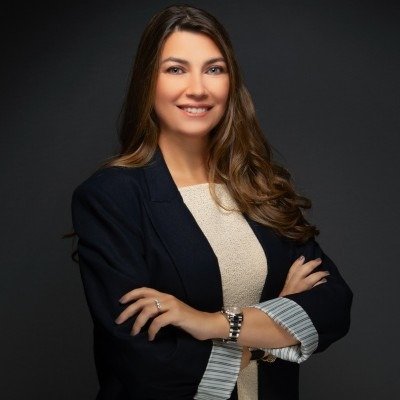
Melitsa Mizrahi
MENA People Excellence Awards 2026 Interview
The future of HR will be defined by our ability to connect people, technology and business strategy without losing the human element.
As AI reshapes work and organizations confront widening capability gaps, HR is being asked to connect people priorities more directly with performance and strategy. Melitsa Mizrahi discusses why the function must combine human judgment with technology, build skills rather than simply fill jobs, and help design organizations that can adapt continuously.
1 . What will be the biggest HR trend shaping the workplace
2. How is AI changing the way HR attracts develops and retains talent
3. What is the biggest challenge facing HR leaders today
4. How can organizations build a future ready workforce
I do not believe future readiness comes from trying to predict the future perfectly. It comes from building an organization that can adapt when the future arrives.
First, organizations need to understand their critical capabilities. This means looking beyond the jobs they have today to the skills they will need tomorrow.
Second, continuous learning must become part of the culture. The traditional model of learning something once and applying it for years is no longer enough. People need to be comfortable with learning, unlearning and relearning.
Third, organizations need leaders who can create clarity in uncertainty. Technology can change quickly, but the ability to lead people through change, make decisions with incomplete information and maintain trust remains fundamentally human.
Future ready organizations therefore do more than hire for current needs. They build the capacity to evolve continuously.
5. What is your most valuable takeaway from HR Leaders MENA 2026
One of my biggest takeaways is that the future of HR will be defined by our ability to connect people, technology and business strategy without losing the human element.
Across the conversations, one theme continues to resonate with me: the role of HR is changing. We are no longer simply responding to business needs or managing the employee lifecycle. We are increasingly expected to help shape the organization itself, including its capabilities, culture, leadership and ability to adapt.
What I find particularly exciting in the MENA context is the speed of transformation. Organizations are evolving rapidly, which creates an opportunity for HR to be more courageous in challenging traditional ways of working.
For me, the question is no longer what HR should do next. It is what the business needs to become and how HR can help make that possible. This shift from support function to strategic architect of the future is perhaps the most valuable takeaway I am taking with me.
About the Interview
Stay Ahead
Get exclusive interviews & award updates in your inbox
A global business magazine bringing you exclusive interviews, in-depth features, and stories on the leaders shaping industries worldwide.
Quick Links
© 2026 The Leadership Gazette