1 . What does exceptional people leadership mean to you, and how has your approach evolved?
To me, exceptional people leadership begins when a leader goes beyond managing an employee and becomes a trusted mentor—almost like an elder sibling who cares about the person as a whole.
People do not come to work as job titles. They bring professional ambitions, personal circumstances, family responsibilities, strengths, challenges and potential. A good leader understands that wider picture and walks alongside them: helping them recognise what they do well, guiding them through what they need to improve and supporting their growth.
My leadership style has evolved considerably. Earlier in my career, I was extremely close to my teams. I valued friendship, accessibility and having very little distance between us. With experience, I learned that closeness builds trust, but leadership also requires a healthy boundary.
Today, I still want my people to feel that I am approachable and invested in them, while maintaining a light, respectful line between friendship and leadership. That boundary creates clarity, accountability and mutual respect.
Exceptional leadership means being close enough to understand your people, strong enough to guide them and trusted enough that they are willing to grow with you.
2 . What are the biggest people and talent challenges facing MENA organisations, and how should HR leaders respond?
One of the biggest challenges is retention. It sounds simple, but I often describe it as “the simple impossible”, because what makes one person stay may be something another does not value.
For one employee, compensation is the priority. For another, it is career growth, recognition, flexibility, a good manager, meaningful work or feeling respected and heard. Retention cannot be solved through one policy, one benefit or one engagement programme.
HR leaders need to listen continuously and understand what matters to different employee groups. We need to know why our best people stay, why others leave and how to recognise the signals before a resignation becomes the first indication that someone was unhappy.
Retention should not mean trying to keep everyone. Healthy organisations will always have movement. The objective is to understand which people and capabilities are critical, create an environment where strong performers can see a future and make staying a choice they want to keep making.
In a fast-moving MENA talent market, the organisations that retain people best will not necessarily be those that offer the most. They will be those that understand their people best.
3 . How do you balance business performance with employee experience, wellbeing and retention?
I do not see business performance and employee experience as competing priorities. In the long term, one cannot be sustained without the other.
A business needs accountability, productivity and results. Those results are delivered by people. If employees are continuously exhausted, disengaged, unheard or unable to see a future within the organisation, performance may continue for a time, but it will not be sustainable.
My approach is to understand both sides. I listen through engagement initiatives, direct conversations, leadership interaction and continuous feedback, while remaining clear about business expectations and accountability.
Wellbeing does not mean making work easy, and engagement does not mean making everyone happy all the time. It means creating an environment where people feel respected, supported and recognised, and are able to perform at their best.
Difficult business decisions still have to be made. In those moments, transparency and fairness matter even more. People may not agree with a decision, but they should understand why it was made and feel that they were treated with respect throughout the process.
For me, the balance is to take care of the people who take care of the business, while staying focused on what the business needs to achieve.
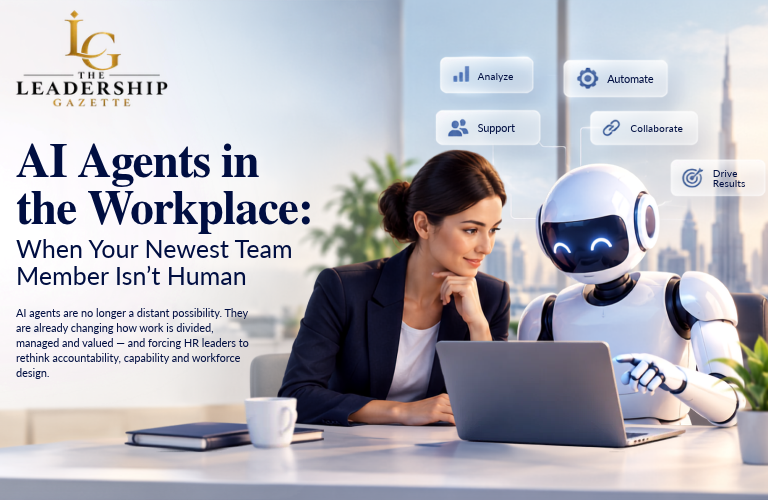
4 . How do you see AI and digital transformation changing HR over the next three to five years?
I see AI as a tool. Like any powerful tool, its value depends on how intelligently we use it.
Used well, it can make our work faster and more informed. It can reduce repetitive tasks, help us analyse information and identify patterns, and challenge our thinking by offering different perspectives. For HR, that creates an opportunity to spend less time on administration and more time on work that requires human judgement.
I do not believe AI will completely replace the human role in HR. Our profession deals with people, and people are not simply data points. Understanding context, emotions, individual circumstances and trust—and sometimes recognising what a person is not saying—requires human connection.
Over the next three to five years, successful HR functions will combine those strengths: using AI for speed, insight and efficiency, while preserving human judgement, empathy and accountability where they matter most.
The important question is whether HR leaders will learn to use AI well enough to become better at what we do.
5 . Which approaches have been most effective in attracting, developing and retaining high-performing talent?
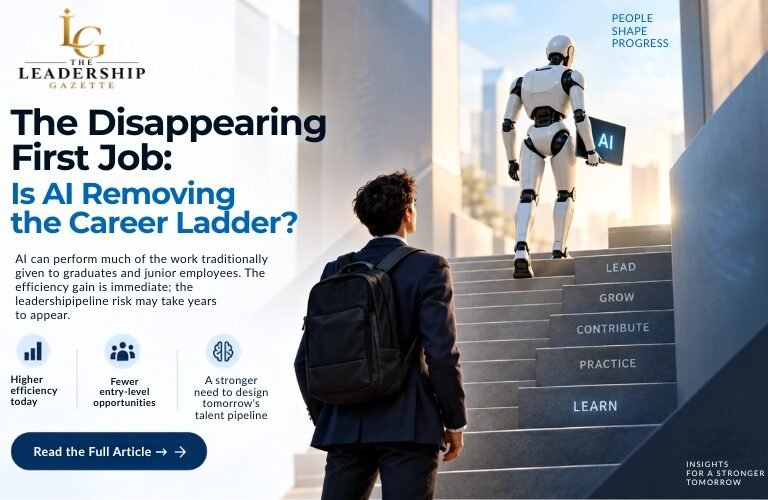
I see attraction, development and retention as one connected journey. You cannot solve attraction without thinking about development, and you cannot expect people to stay if they cannot see where they can grow.
It starts before recruitment. I believe strongly in building talent pipelines directly with universities and educational institutions. Through initiatives such as Saudi Pioneers and our collaboration with Prince Sultan University, we worked to recruit graduates and bring industry and academia closer together, aligning learning and development with the capabilities businesses need.
The second element is selection. I believe in hiring for potential, attitude and the ability to learn, as well as the experience on a CV. Skills can be developed; curiosity, ambition and a willingness to grow are much harder to create.
Once people join, development must become real. It cannot be limited to training courses. Through initiatives such as HAMAT, mentorship, knowledge-sharing platforms such as Manarat Salam, succession planning and exposure to broader responsibilities, we create opportunities to learn through experience and prepare for the next role.
Retention becomes the result of that whole experience. High performers need to feel challenged, recognised and trusted, and to see a future for themselves.
My philosophy is simple: attract potential, invest in it, give it room to grow, and whenever possible, build your future leaders from within.